

Design and implementation of the project
Non-state Association and Library Otium (Marsala – Trapani), in collaboration with the Association Cenidia (Villa San Giovanni – Reggio Calabria) and the publishing house Quodlibet (Macerata), with the support of the Ministry of Culture and SIAE – “Per chi crea”.
Activities, location, theme, and instructors: intimately connected
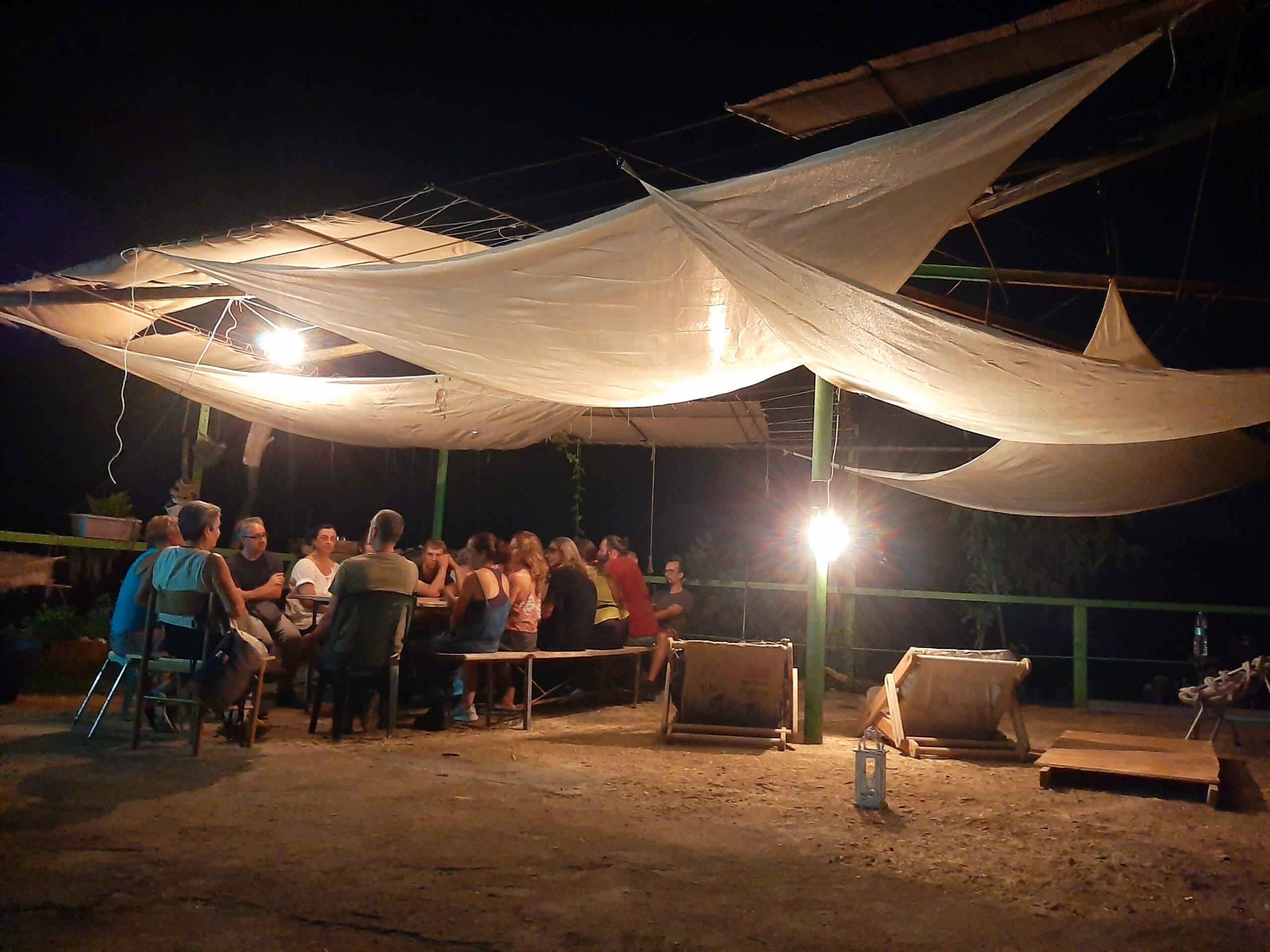
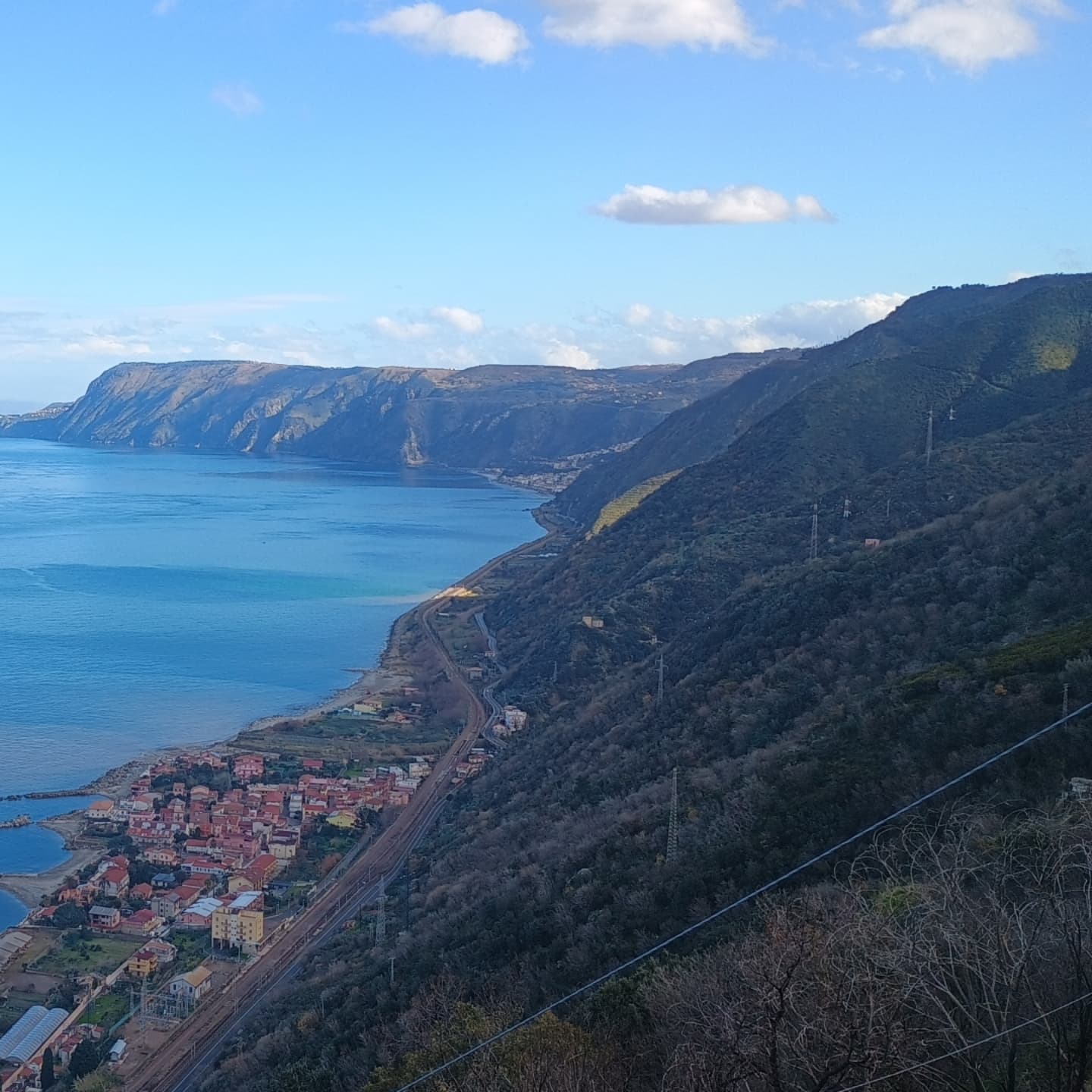
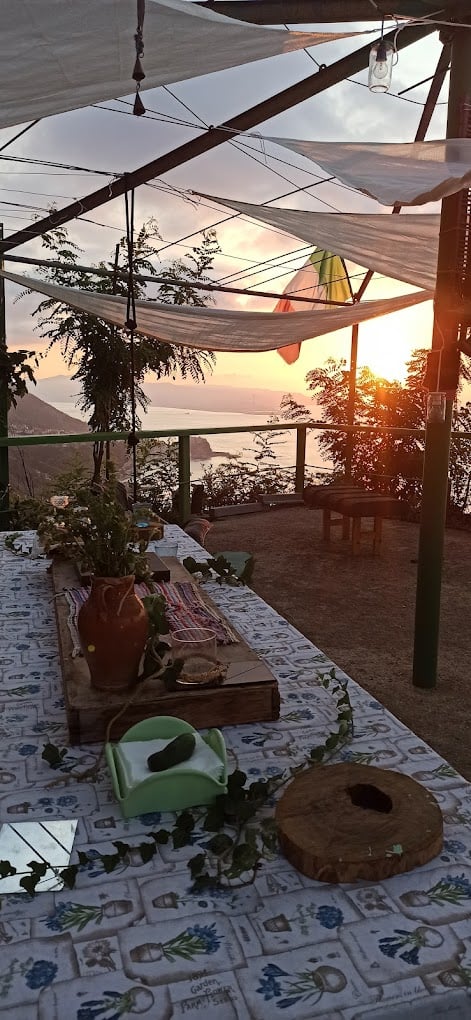
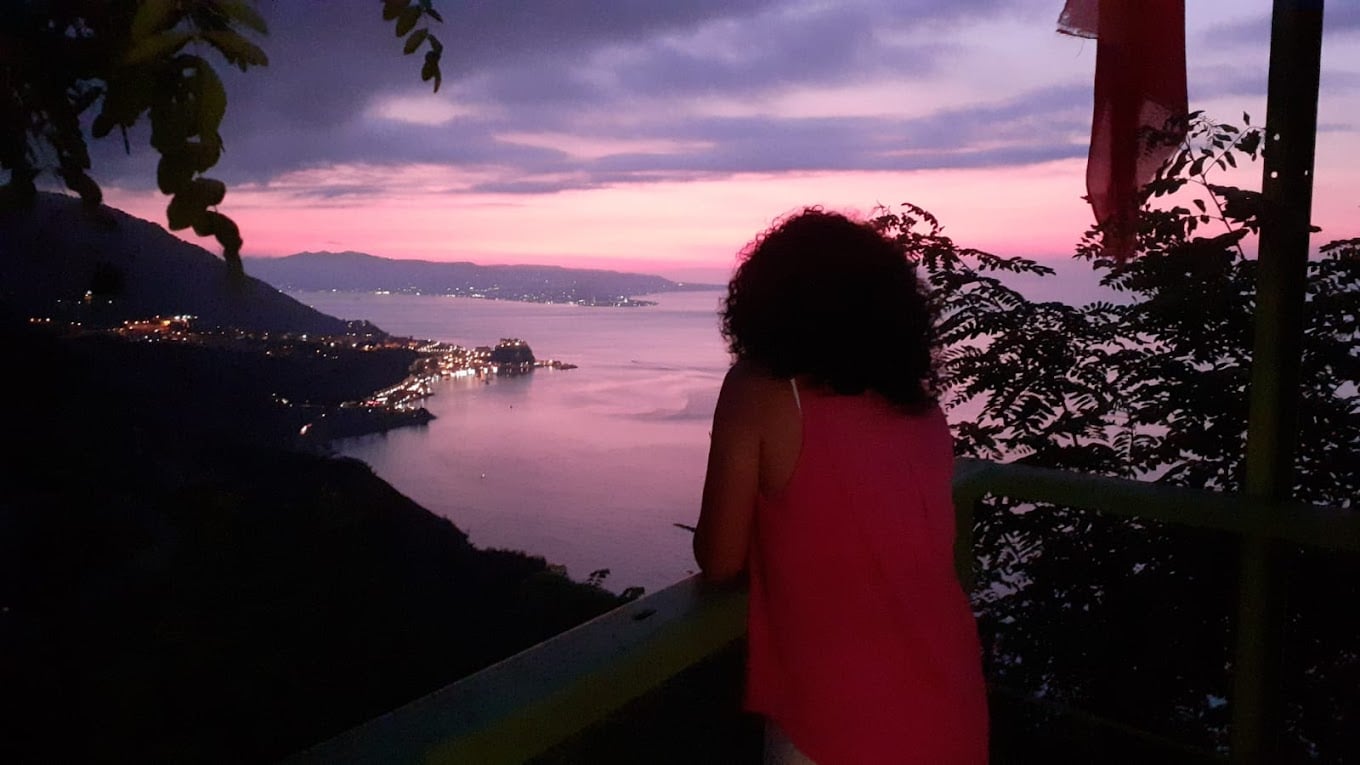
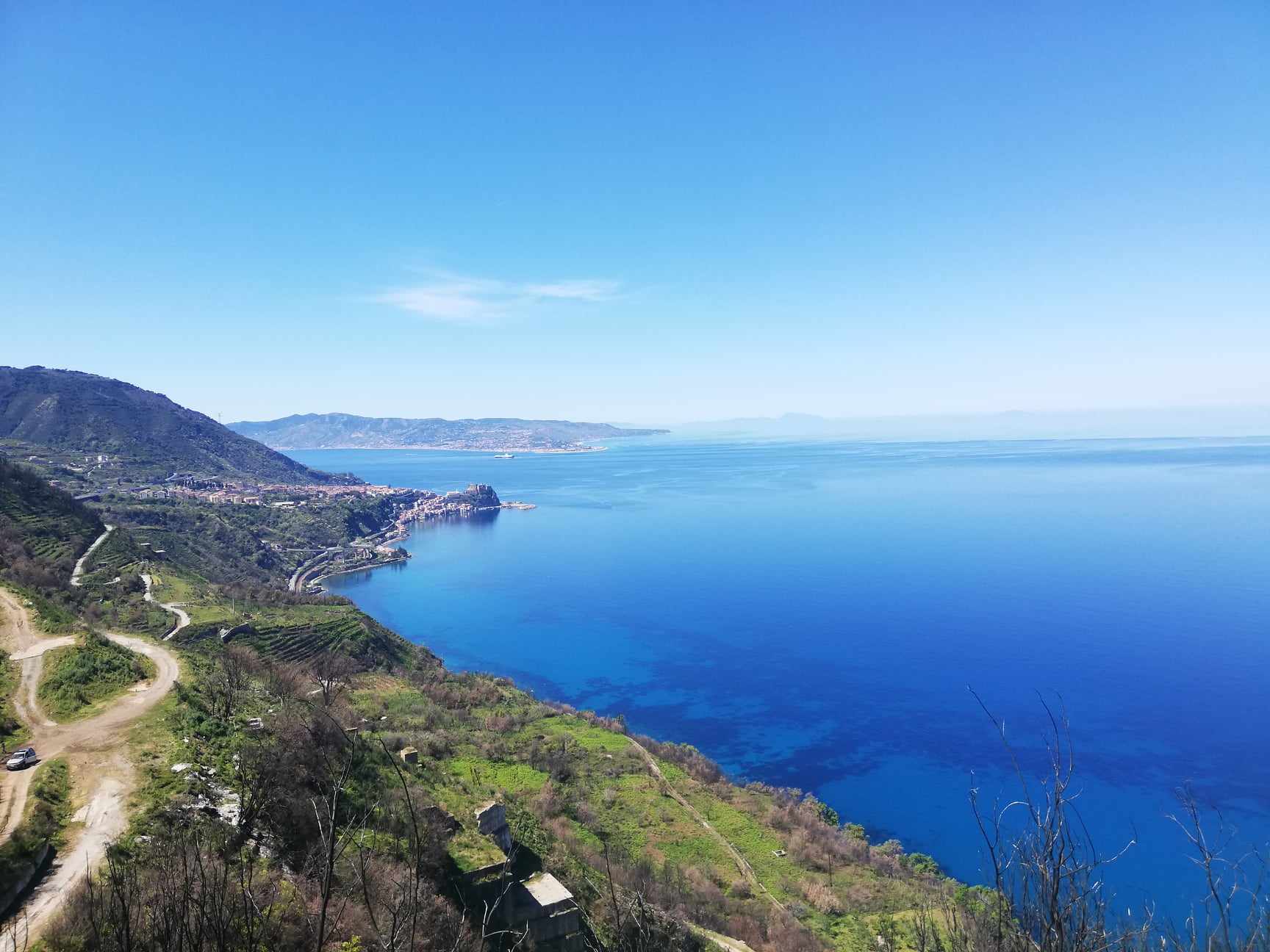
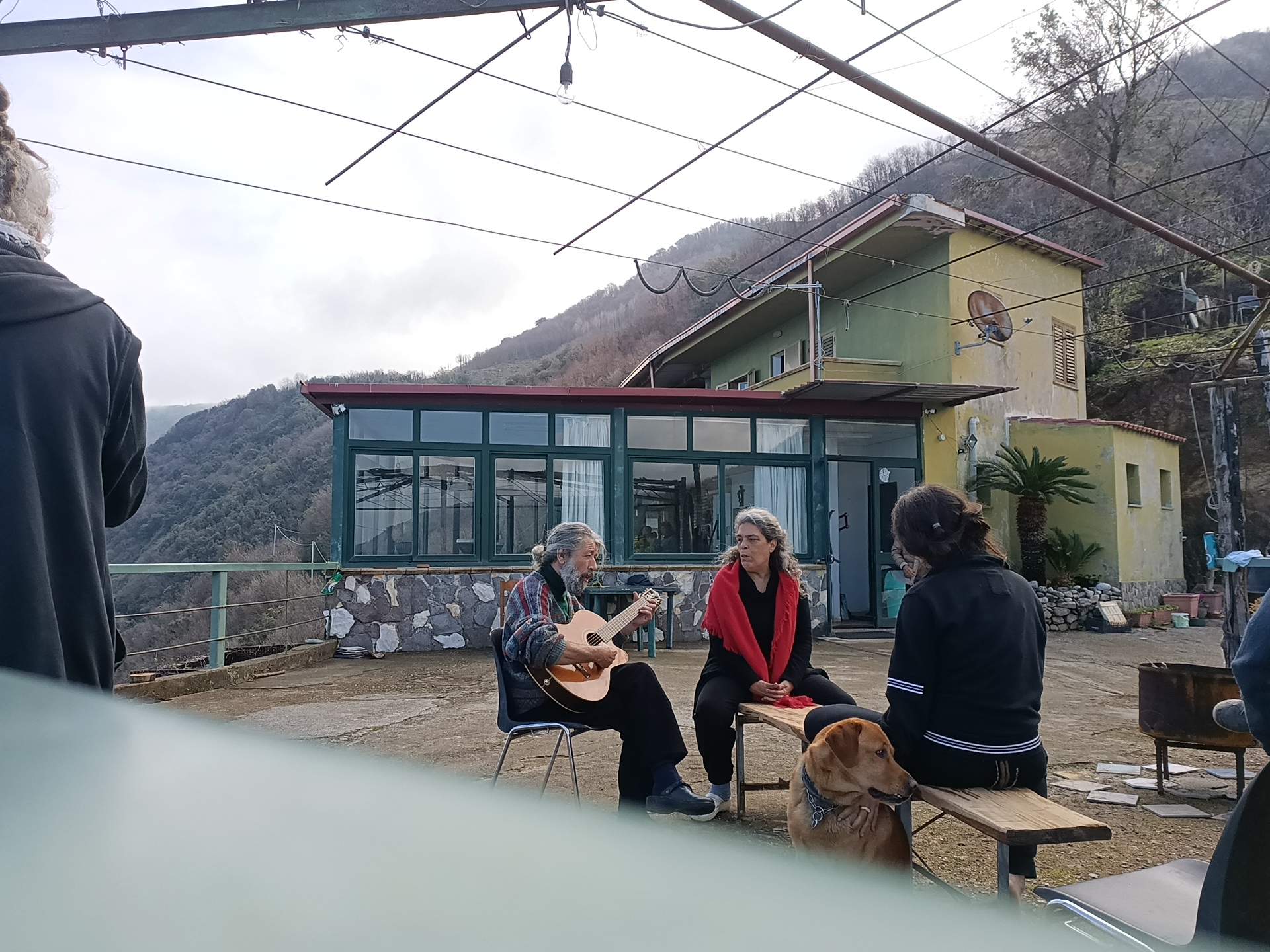
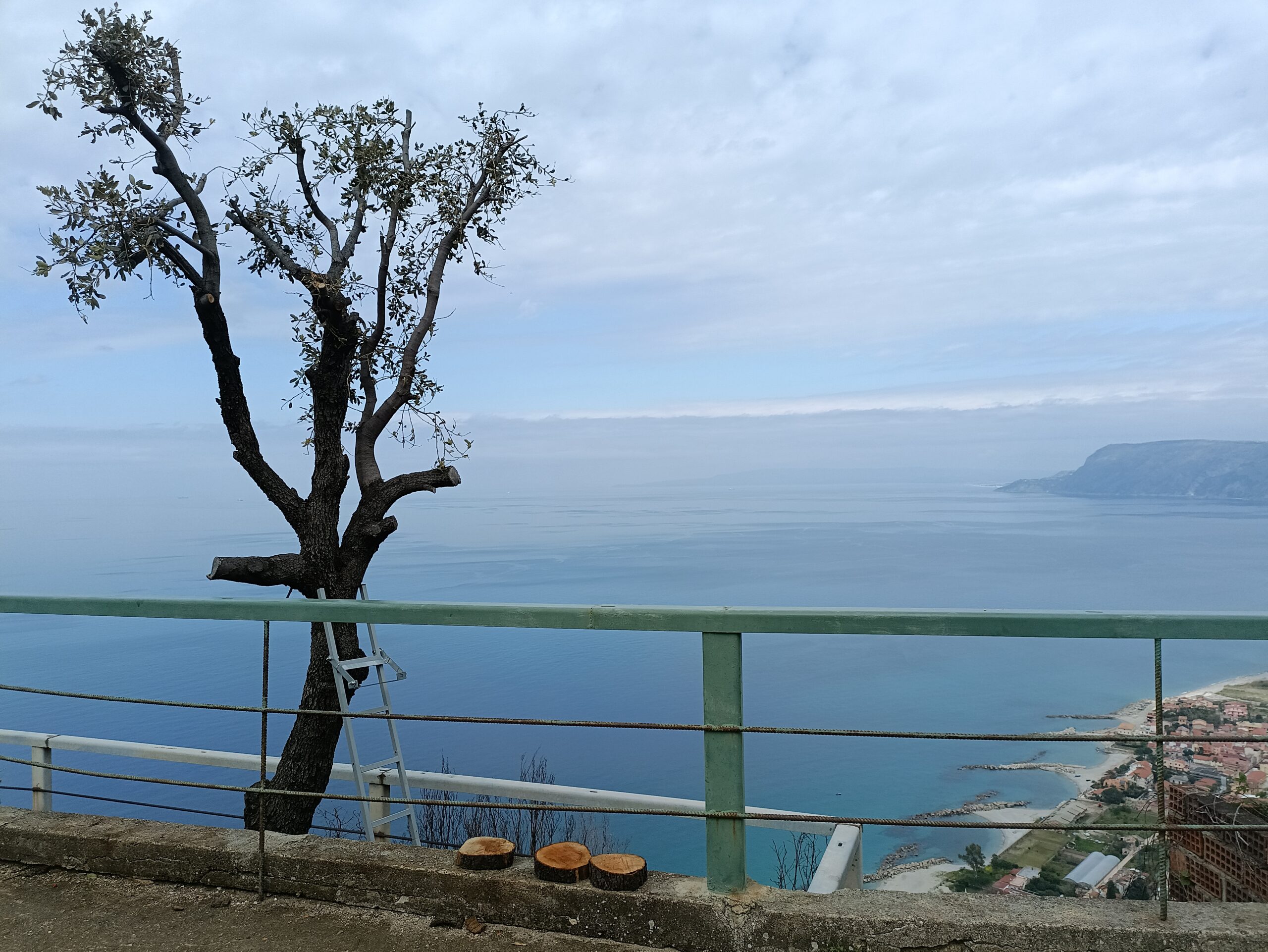
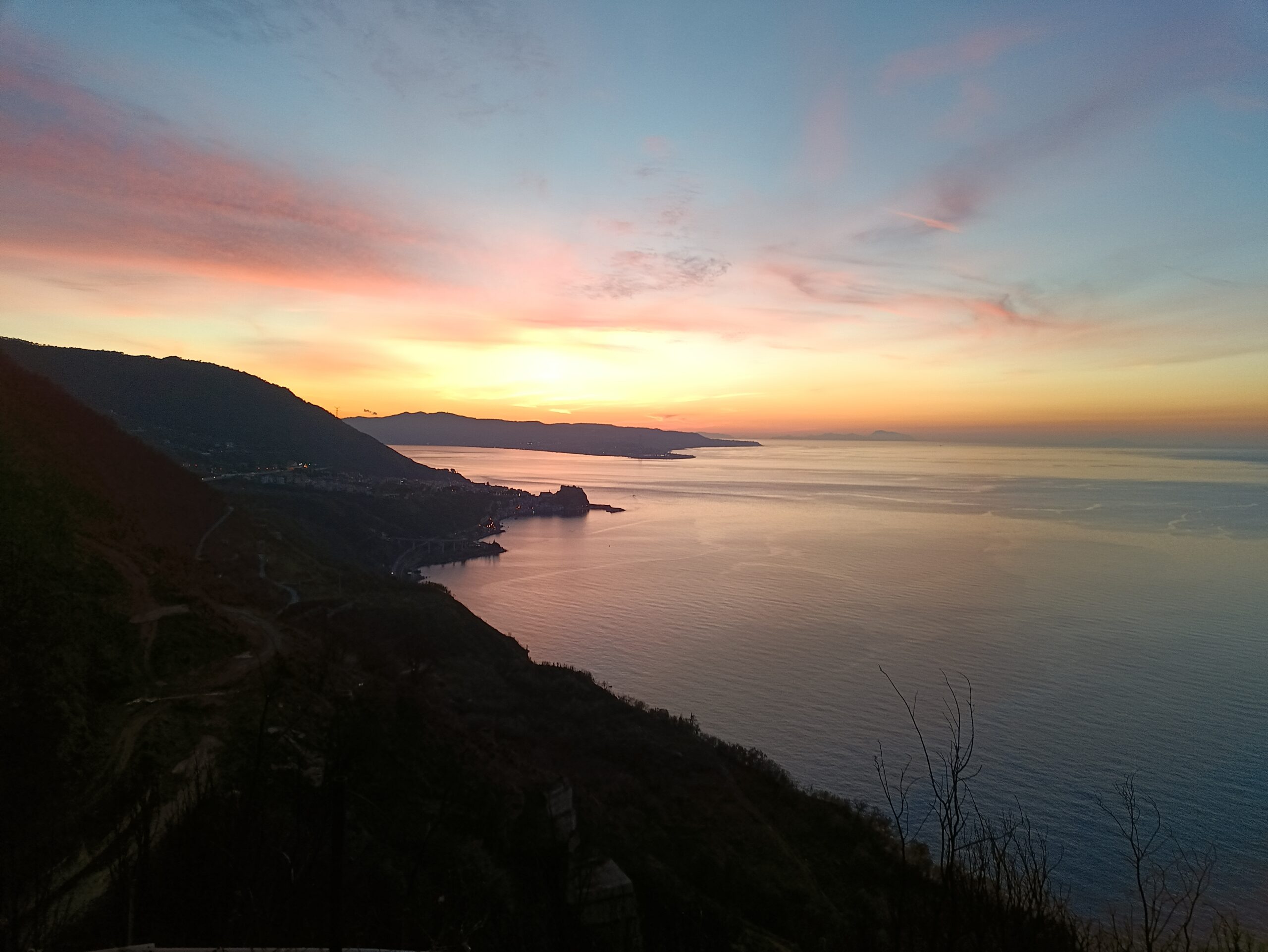
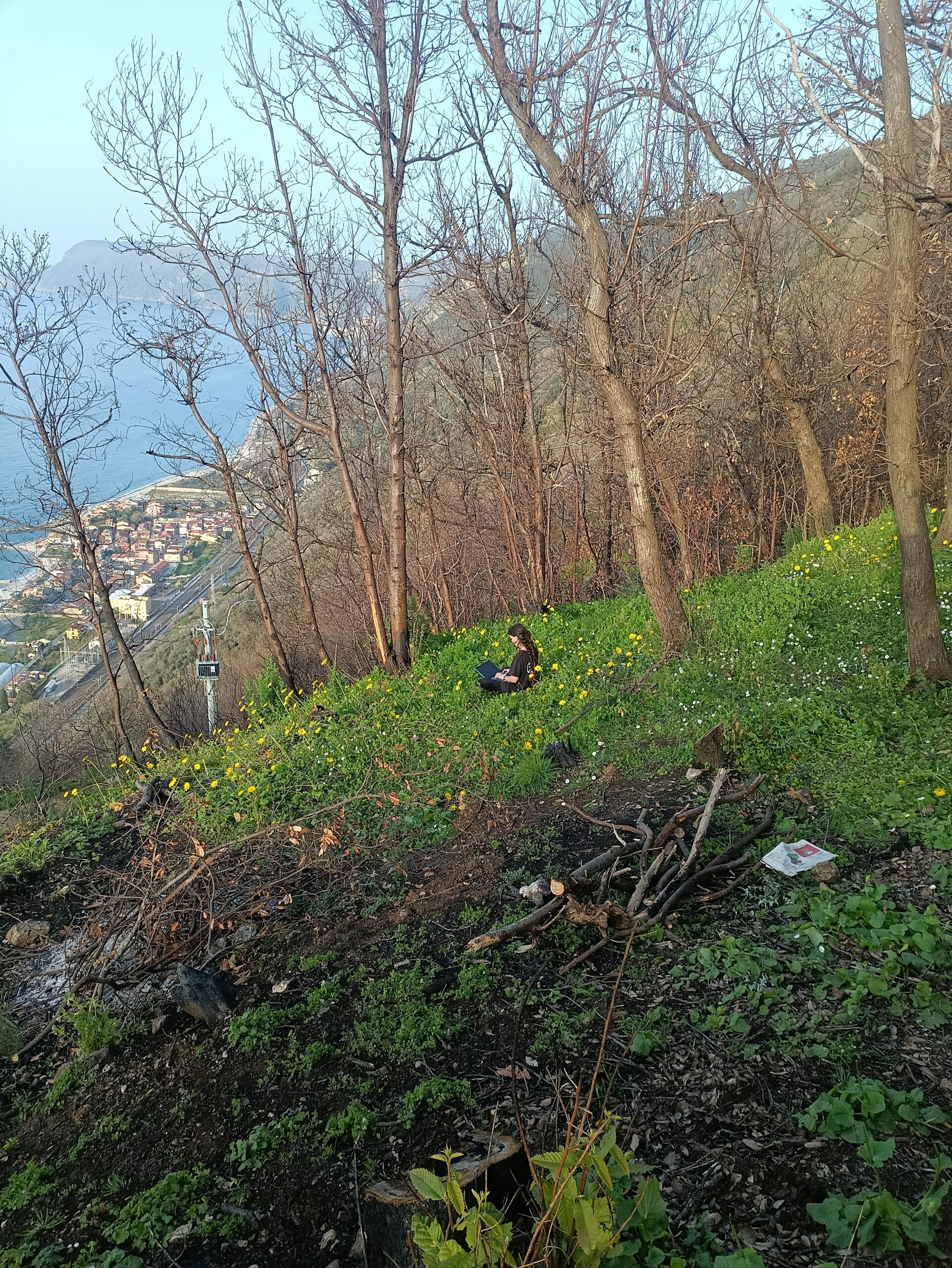
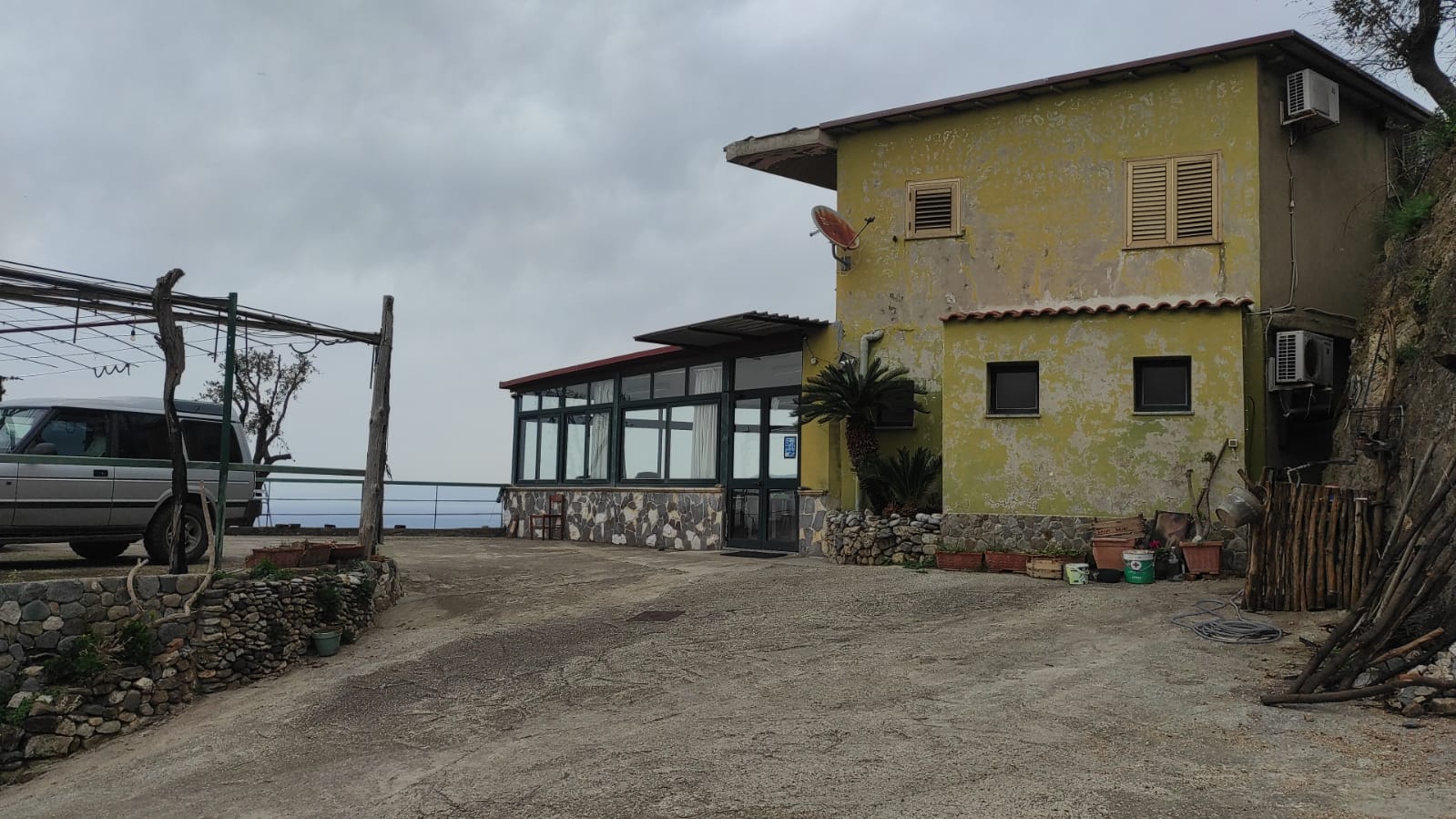
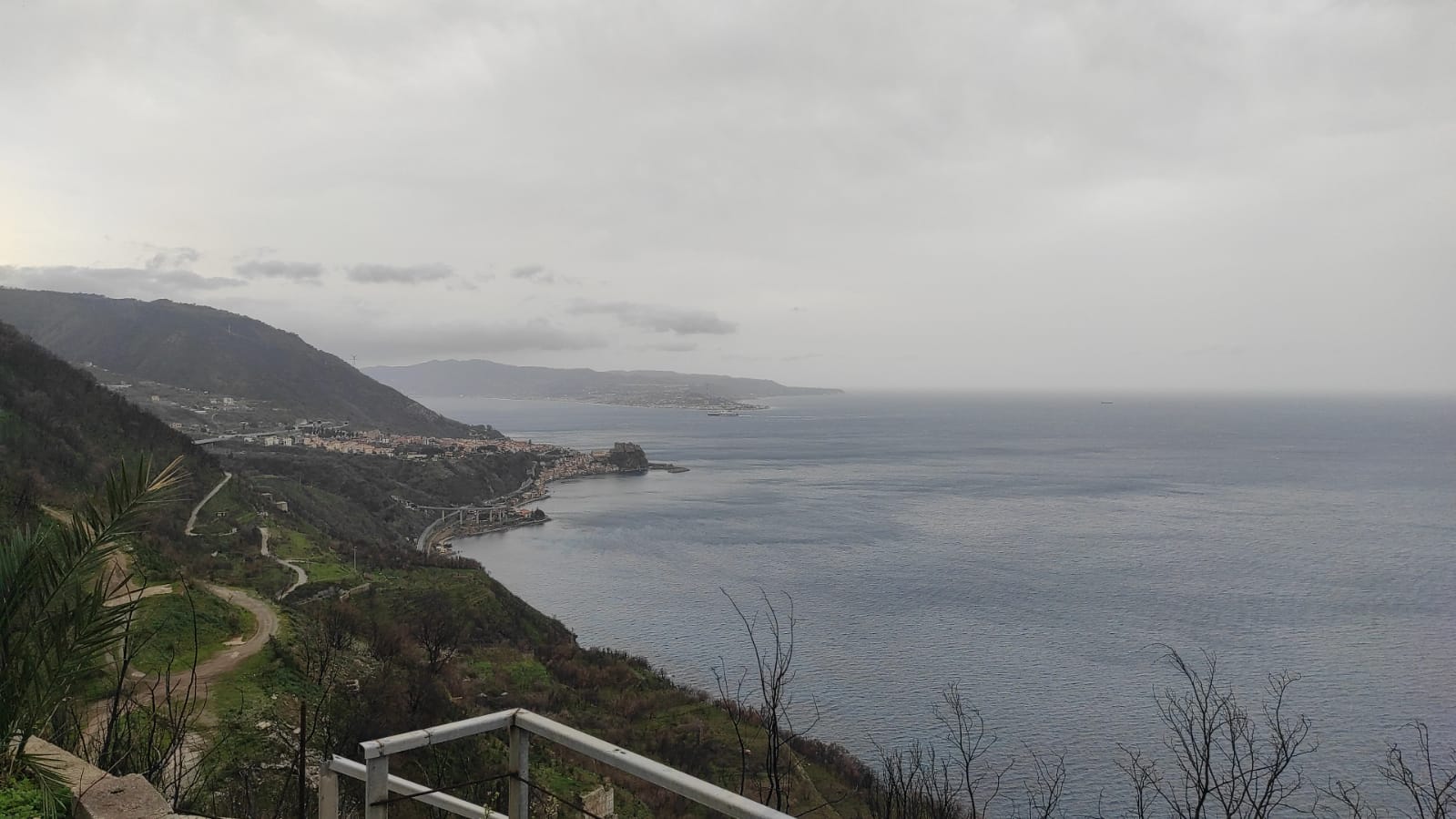
The project involves the creation of a thematic writing residency at the Monte Judice Refuge in the municipality of Scilla, province of Reggio Calabria, during the period July 28 – August 3, 2025. The site, located 200 meters above sea level, is nestled on the slopes of the Aspromonte mountains that plunge steeply into the sea, overlooking the Strait of Messina — a privileged vantage point over the far reaches of Calabria and Sicily: Scylla and Charybdis, places dear to literary storytelling.
The artists will be engaged in deepening the artistic practice of writing and encouraged to train their gaze, paying special attention to the horizon line — that subtle boundary zone which both divides and unites the visible and the invisible.
During the residency, in close connection with the chosen location, the theme of the gaze will be explored, giving the selected artists time, space, and resources to work either individually or collectively.
The theme will be introduced and developed by the residency instructor/guide Ermanno Cavazzoni (1), supported by the mentor/tutor/editor Mario Valentini (2).
In addition to accommodation and travel, the artists will benefit from artistic mentoring and production support. As a final outcome, the project foresees the creation of a collective augmented poster-book in which the experience will be narrated through a hybrid reportage and the produced texts will be published.
The poster-book – Taccuino d’ignoto – connected to a landing page hosting photo galleries, podcasts, interviews, and other video documentation, will serve as a product capable of narrating the entire experience.
Artist selection process
The artists – all Under 35 – will be selected through a call for applications, following the submission by email of an application request, a brief biobibliography, and a text portfolio of up to 10,000 characters. This must include: the motivation for participation, a draft idea of writing related to the proposed theme, and a sample excerpt of a previously published text.
The dissemination of the call, closely linked to the communication plan, will include distribution through newsletters, web marketing, social media, and press office activities.
Once the deadline has passed, the materials received by email will be submitted to a selection committee tasked with drawing up a ranking list. The top six candidates will be notified by email of their invitation to the residency. In case of withdrawals, additional candidates will be selected according to the ranking order.
Final project presentations
The final product (poster-book – Taccuino d’ignoto), conceived as a hybrid communication tool, will help facilitate and multiply the public presentations concluding the project.
In the artist selection process, attention will be given to territorial diversity, in order to create a group that is heterogeneous in socio-cultural background.
This approach makes it necessary to adopt an innovative format compared to the traditional book presentation. The landing page will allow for mixed-format events, both in-person and online, with a minimum of six presentations of the volume and the experience it embodies.
This will enable participants to develop their own personal presentations within their home regions, while still maintaining the opportunity to interact with other group members — fostering a collective post-project reinterpretation process that will grow richer over time through audience engagement, both in person and online.
The project’s final presentation will thus transcend the limits of individual events, becoming a circular multiplier of the experience, aligned with a socio-cultural communication model based on the reinforcement and support of human relationships.
Involved professionals
Trainers
1. Ermanno Cavazzoni lives in Bologna; he has taught at the University of Bologna, the Polytechnic of Zurich, the University of Innsbruck, and Brown University (USA). He is a writer of novels and short stories: Il poema dei lunatici (Bollati Boringhieri, 1987); for Feltrinelli, Vite brevi di idioti (1997) and Gli scrittori inutili (2002); for Guanda, Guida agli animali fantastici (2011) and Il pensatore solitario (2015); for La Nave di Teseo, La galassia dei dementi (2018), Storie vere e verissime (2019), La madre assassina (2021), and Il gran bugiardo (2023); for Quodlibet, Storia naturale dei giganti (2007), Il limbo delle fantasticazioni (2009), La valle dei ladri (2014), Gli eremiti del deserto (2016), and Manualetto per la prossima vita (2024). Co-founder, along with Gianni Celati and others, of the magazine “Il semplice” (1995–1997), he has written essays on Luigi Pulci, Ludovico Ariosto, Gustave Flaubert, Franz Kafka, and others. He is the director of the “Compagnia Extra” series for Quodlibet. Over the years, he has worked on screenplays such as Federico Fellini’s La voce della luna (1990) and, with Gianni Celati, Paolo Muran’s La vita come viaggio aziendale (2006); he also directed Vacanze al mare (2014) and, with Sergio Maifredi, Vite non calcolate (2023). He has also written texts for music, theatre, and radio.
2. Valentino (Mario) Valentini was born in Messina in 1971, studied and worked in Bologna, and now lives in Palermo. He holds a PhD in Intercultural Pedagogy and teaches Italian in public schools. He has published novels and short story collections: Voglia di lavorare poca (Portofranco, 2001), In certi quartieri (Mesogea, 2008), Come un sillabario (Mesogea, 2015), Così cominciano i serial killer (Mesogea, 2018), La minuscola (Exòrma, 2018), and Vangeli nuovissimi (Quodlibet, 2021). His short story Testimoni inaffidabili appeared in the anthology Buon Natale Perfidia (Exòrma, 2023), and his most recent novel is Quattro giovani malviventi in fuga (Exòrma, November 2024). Along with Cavazzoni, Celati, and others, he was part of the group that produced “Il Semplice. Almanacco delle prose,” published by Feltrinelli (1995–1997), where he made his debut. He has written on education and literature for the Palermo edition of “La Repubblica,” for other newspapers, and literary blogs (such as minima&moralia) and magazines. He serves on the editorial board of Mesogea publishing house, where he has edited several books and created the “Petrolio” series. He has led creative writing workshops for adults and youth and taught at literary residencies for writers Under 35 within the SIAE-Sillumina project in Palermo (2017–2018).
Selection Committee
Co-coordinator of the Committee: Nicolò Messina (3);
Committee member: Biagio Guerrera (4);
Coordinator of the Committee: Barbara Lottero (5);
3. Nicolò Messina (Marsala, 1950). Professor Honorarius of Italian Studies at the University of Valencia, where he was also Titular. He has taught for various periods at the universities of Santiago de Compostela, Complutense of Madrid, Santiago de Chile, and Girona. He collaborated with Danilo Dolci at the Trappeto Training Center (Palermo), serving as secretary-coordinator (1974–1977).
Initially devoted to medieval Latin philology — particularly the Hispano-Visigothic tradition (Isidore of Seville, 1980; Pseudo-Eugenius of Toledo, 1984) — he later focused on linguistic, literary, and textual criticism within Italian studies. He has written on Elsa Morante, Leonardo Sciascia, Vincenzo Consolo, Sebastiano Vassalli, Enrico Brizzi, Stefano Vilardo, and Maria Attanasio. He produced the critical-genetic edition of V. Consolo’s Il sorriso dell’ignoto marinaio (Madrid, 2009) and posthumous editions La mia isola è Las Vegas (Mondadori, 2012) and Cosa loro. Mafie tra cronaca e riflessione (Bompiani, 2017). He studies linguistic variation as a source of literary creativity and advocates for establishing critical editions of modern and contemporary texts to provide stronger interpretive foundations.
He serves on the editorial board of the academic journal “Quaderns d’Italià” / “Quaderni d’Italiano” [Barcelona, Girona, Valencia]. Profile at www.academia.edu
4. Biagio Guerrera (Catania, 1965). Poet, dramaturg, performer, and cultural operator.
He writes in Sicilian and is the author of four poetry collections, plays, and songs. He co-founded the artistic collective Famiglia Sfuggita, with which he presented Idda at the Santarcangelo dei Teatri Festival in 1992, later included in his first poetry collection of the same name (Il Girasole, Valverde, 1997). In 2003, he co-edited and performed in the book + CD Dalle sponde del mare bianco (Mesogea, 2003), with the Dounia ensemble and Tunisian poet Moncef Ghachem. His second poetry collection, Cori niuru spacca cielu (Mesogea, 2009), won the Città di Marineo Prize; in 2011, he released the CD Quelli che bruciano la frontiera (FolkClub Ethnosuoni, Casale Monferrato) with Ghachem and the Pocket Poetry Orchestra, which he founded. He later published Amàri (book + CD, Mesogea, 2014) and the play Vita straordinaria ri Don Giuanni Grasso (2017), dedicated to the Catanese actor and staged by Marcello Cappelli with music by Colapesce. His most recent collection, Casa Munnu (Mesogea, 2021), also became a live recital with which he toured Sicily in 2021. In 2019, he received the Lerici Pea “Paolo Bartolani” Prize upon recommendation by Andrea Camilleri and Manuel Cohen.
The video A città jè china ri luci by Stefano Buda, based on one of his performances from Casa Munnu, was selected for the Zebra Poetry Film Festival – Berlin 2021 and DoctorClip – Rome 2021.
As a trainer, he has led creative writing workshops for youth in socially sensitive contexts (peripheral schools, juvenile prisons) and, in artistic settings, labs on songwriting and poetry for music.
5. Barbara Lottero (Reggio Calabria, 1967). Journalist, degree in philosophy.
Since 2001 she has lived and worked in Sicily, focusing on tools and processes of integrated communication. She specialized with a short Master’s in Marketing and Communication at the Sole 24 Ore Business School. She also deals with institutional communication for public administrations and participates in a national research group on public management processes coordinated by Bocconi University in Milan.
Since 2011 she has managed press office activities for public bodies and private organizations. In November 2012, she founded OTIUM Cultural Association in Marsala, which focuses primarily on book and reading promotion as a process of socio-cultural activation.
In 2021, OTIUM’s Social Library “Ex Libris” was accredited by the Ministry of Culture and joined both the provincial network of libraries of Trapani – BiblioTP – and the Italian National Library Service (SBN).
From 2021 to the present, she has developed a strong connection with a community of young frequent visitors of the Social Library Ex Libris and has expanded creative workshops in collaboration with primary and secondary schools.
The OTIUM Association has been active for 13 years, also exploring the theme of human regeneration through various on-site writing residencies (organized independently and in partnership with other entities, such as the September–October 2024 Multilingual Artist and Writer Residency in Sicily, part of the EU Culture Moves Europe program via the Goethe-Institut) and through urban art installations and literary performances in unconventional spaces.
Graphic Design and Communication
Sebastiano Pellegrino was born in Marsala in 1992 and is a graphic designer and creative director. Graduated in Visual Communication with a specialization in Graphic Design, he has developed a career combining visual design, advertising communication, and collaborations with cultural organizations.
Since 2017, he has worked as a freelance designer, developing visual identities, communication campaigns, and editorial projects for companies, cultural associations, and public institutions. He has overseen the art direction of events, festivals, and cultural initiatives, contributing to the enhancement of local identity through applied design and graphics. His work moves between aesthetics and functionality, blending visual research and storytelling.
He has collaborated on advertising, editorial design, brand identity, and packaging projects, refining a structured approach and a strong aesthetic sensibility. In parallel, he has participated in projects for reading promotion, urban regeneration, and visual experimentation, creating communication materials and graphic strategies for the cultural sector.
He continues to work in graphic design and communication, developing projects for companies, festivals, associations, and institutions, with constant attention to new visual trends and the power of imagery to create connections.
Logistics, hospitality, reportage
Associazione Cenidia (Villa San Giovanni).
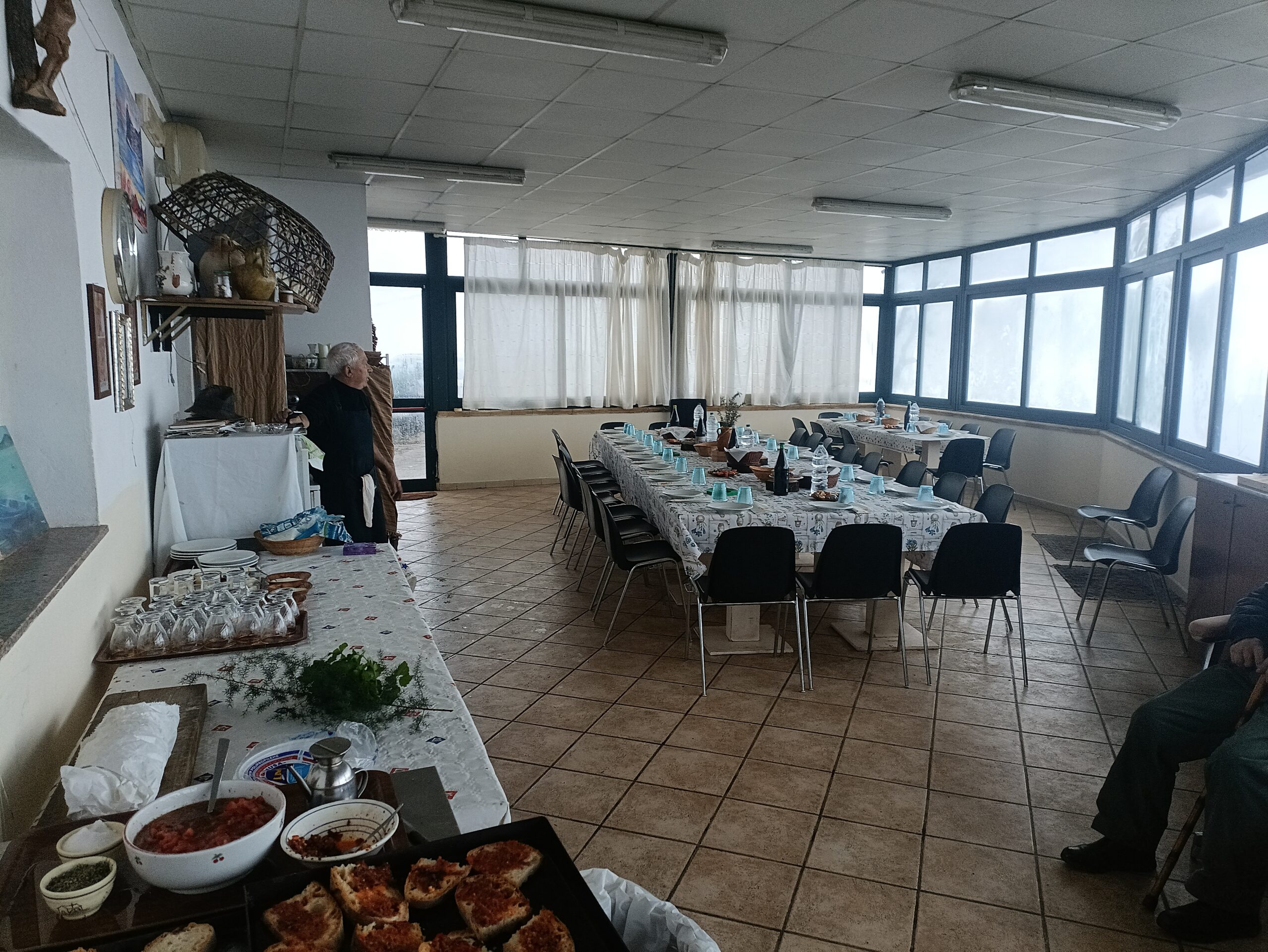
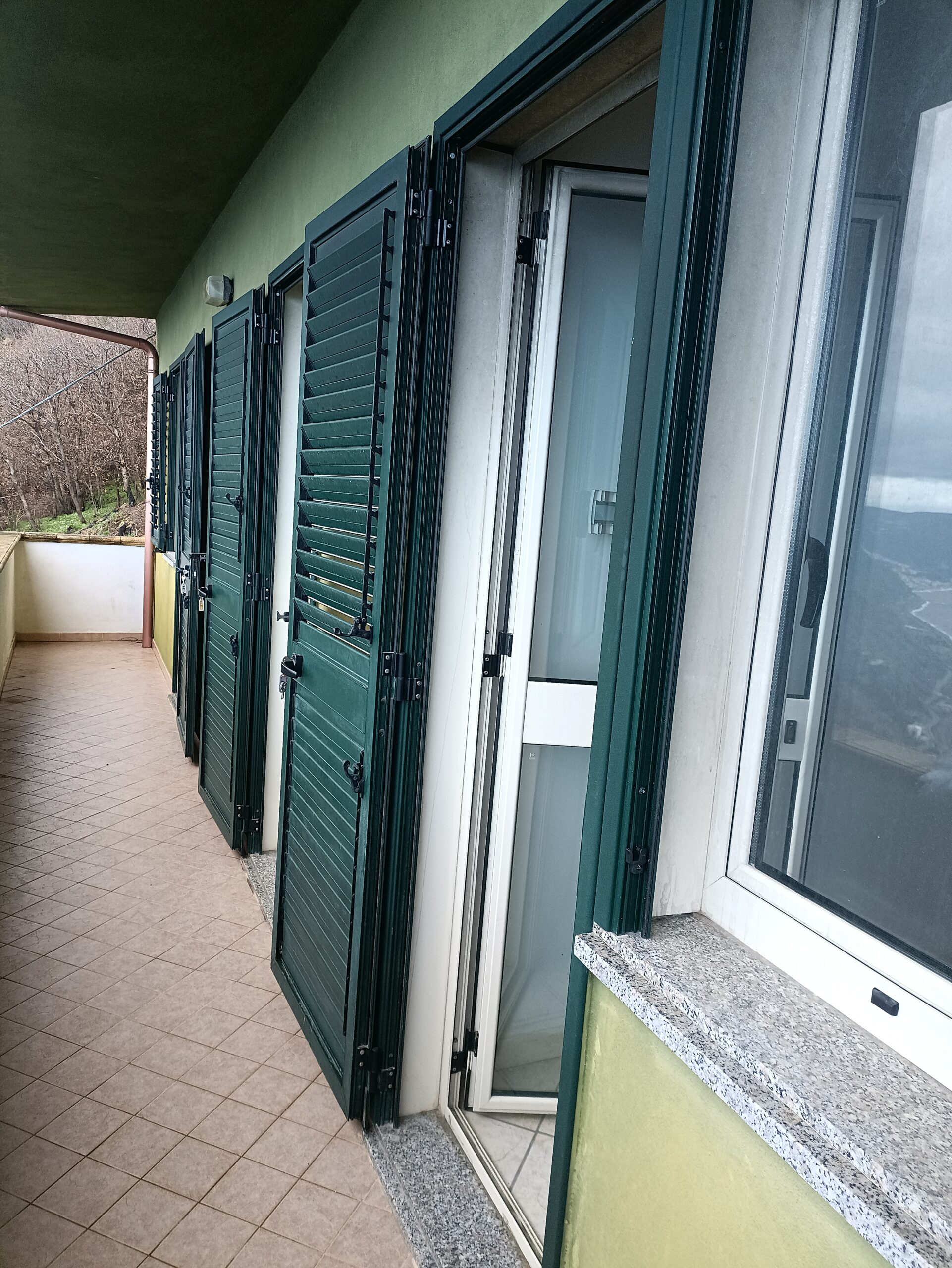
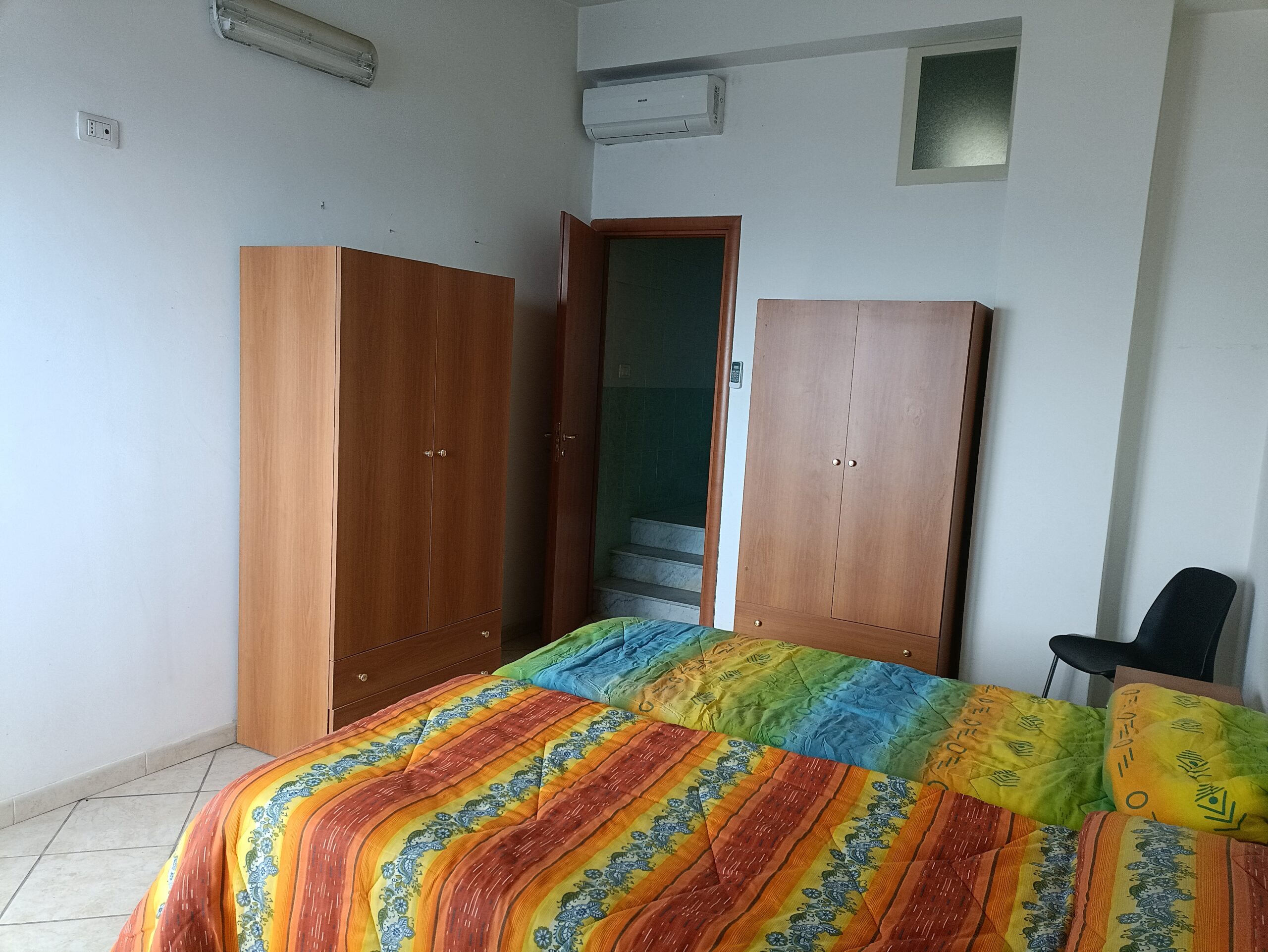
The Cenidia team, active in the Villa San Giovanni area and throughout the province of Reggio Calabria since February 2018, will be responsible for the production of the reportage (photo, video, podcast), hospitality at the Monte Judice Refuge, and logistics.
Info and contacts
otium.giovani@gmail.com